











Legal Essentials – Contracts, Disclosures, and Your Rights
Introduction
Real estate transactions involve significant legal complexities that can make or break a deal. In California, specific laws and requirements protect both buyers and sellers, but understanding these protections is crucial for a successful transaction.
Understanding Purchase Agreements
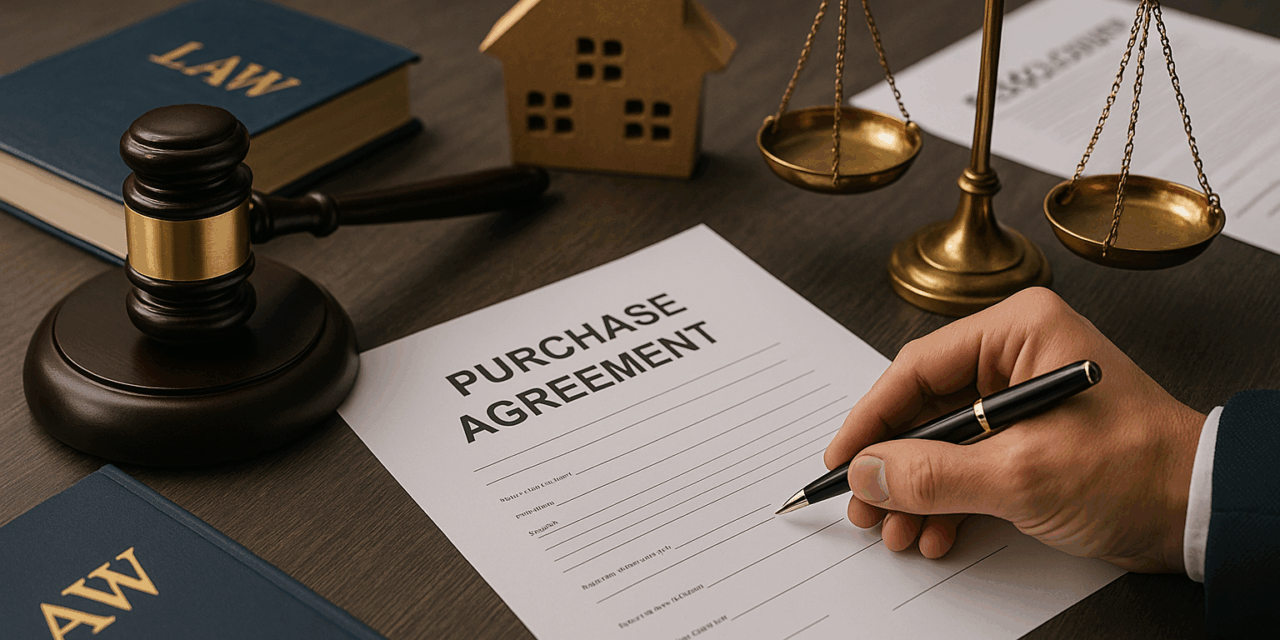
Key Contract Components A purchase agreement is more than just price and closing date. It includes contingencies, timelines, property condition agreements, and allocation of costs. Each element is negotiable and can significantly impact your transaction outcome.
Contingencies – Your Safety Net Contingencies are conditions that must be met for the sale to proceed. Common contingencies include:
Inspection Contingency: Allows buyers to thoroughly examine the property and negotiate repairs or credits based on findings.
Financing Contingency: Protects buyers if they cannot secure adequate financing within the specified timeframe.
Appraisal Contingency: Ensures the property appraises at or above the purchase price, protecting buyers from overpaying.
Sale of Buyer’s Property: Allows buyers to make offers contingent on selling their current home.
California Disclosure Requirements
Seller Disclosure Statement (TDS) California requires sellers to disclose known material defects that could affect property value or desirability. This includes structural issues, environmental hazards, neighborhood problems, and previous repairs.
Natural Hazard Disclosures Properties in certain areas must disclose earthquake, flood, fire, and other natural disaster risks. In Los Angeles, this often includes earthquake and fire zone disclosures.
Lead-Based Paint Disclosure Required for properties built before 1978, this disclosure informs buyers about potential lead paint hazards and provides a 10-day inspection period.
Homeowners Association (HOA) Disclosures If the property is part of an HOA, buyers must receive CC&Rs, bylaws, financial statements, and meeting minutes.
Title and Escrow Process
Title Insurance Title insurance protects against ownership disputes, liens, and other title defects. While not legally required, it’s standard practice and provides crucial protection for buyers and lenders.
Escrow Services A neutral third party holds funds and documents until all contract conditions are met. The escrow process ensures proper transfer of ownership and protects both parties’ interests.
Common Legal Pitfalls to Avoid
Inadequate Documentation Verbal agreements don’t hold up in court. All contract modifications must be in writing and signed by all parties.
Missing Deadlines Real estate contracts have strict timelines. Missing a contingency removal deadline can result in contract cancellation or legal disputes.
Misunderstanding Disclosures Failing to properly review and understand disclosures can lead to unexpected problems and potential legal liability.
Your Legal Protection Strategy
Professional Representation Working with experienced real estate agents and attorneys ensures proper contract preparation and protects your interests throughout the transaction.
Document Everything Keep detailed records of all communications, inspections, and agreements. This documentation can be crucial if disputes arise.
Understand Before You Sign Never sign documents you don’t understand. Ask questions and seek clarification on any unclear terms or conditions.
Next Steps
Understanding legal requirements protects you and ensures smooth transactions. In our next installment, we’ll explore financing options and strategies to secure the best possible terms for your real estate purchase.



Recent Comments