










Financing Your Real Estate Purchase – Options and Strategies
Introduction
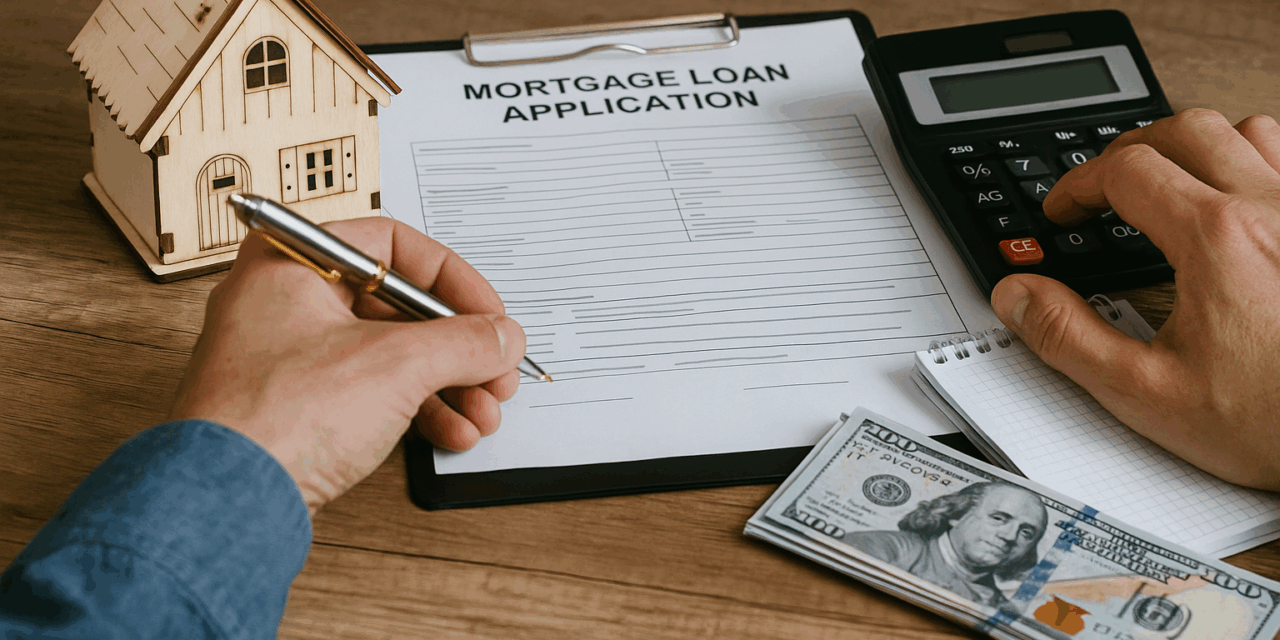
Financing is often the make-or-break factor in real estate transactions. Understanding your options and preparing strategically can mean the difference between getting your dream home and watching it go to another buyer with better financing.
Types of Mortgage Loans
Conventional Loans These are the most common type of mortgage, not insured by the government. They typically require higher credit scores and down payments but offer competitive rates and terms. In Los Angeles’ high-priced market, conventional loans are often the primary option for move-up buyers.
FHA Loans Insured by the Federal Housing Administration, these loans allow lower down payments (as low as 3.5%) and accept borrowers with lower credit scores. However, they require mortgage insurance and have loan limits that may restrict options in expensive LA markets.
VA Loans Available to eligible veterans and service members, VA loans offer excellent terms including no down payment and no private mortgage insurance. In LA’s veteran community, these loans provide significant advantages for qualified buyers.
Jumbo Loans In Los Angeles, where median home prices often exceed conforming loan limits, jumbo loans are common. These loans typically require higher credit scores, larger down payments, and more documentation but allow purchases of higher-priced properties.
Down Payment Strategies
Traditional 20% Down This amount avoids private mortgage insurance (PMI) and often secures better interest rates. However, in LA’s high-priced market, 20% can represent a substantial sum that many buyers don’t have readily available.
Low Down Payment Options Many programs allow 3-10% down payments, making homeownership more accessible. The trade-off is typically higher monthly payments due to PMI and potentially higher interest rates.
Down Payment Assistance Programs Los Angeles County and California offer various first-time buyer programs that provide down payment assistance, reduced interest rates, or other benefits to qualified buyers.
The Pre-Approval Process
Documentation Requirements Lenders typically require two years of tax returns, recent pay stubs, bank statements, and asset documentation. Self-employed borrowers may need additional documentation including profit and loss statements and business tax returns.
Credit Score Impact Your credit score significantly affects interest rates and loan approval. Scores above 740 typically qualify for the best rates, while scores below 620 may limit loan options.
Debt-to-Income Ratios Lenders evaluate your ability to repay based on your monthly debt obligations compared to your income. Generally, total monthly debt payments shouldn’t exceed 43% of gross monthly income.
Interest Rate Considerations
Fixed vs. Adjustable Rates Fixed-rate mortgages provide payment stability, while adjustable-rate mortgages (ARMs) may offer lower initial rates but carry the risk of future increases.
Rate Shopping Small differences in interest rates can mean thousands of dollars over the life of a loan. Shopping with multiple lenders and comparing both rates and fees is crucial.
Timing Considerations Interest rates fluctuate based on economic conditions. While timing the market perfectly is impossible, understanding current trends can help inform your decision.
Strengthening Your Financing Position
Improve Your Credit Score Pay bills on time, reduce debt balances, and avoid new credit applications before applying for a mortgage.
Increase Your Down Payment Larger down payments reduce monthly payments, eliminate PMI, and strengthen your offer in competitive markets.
Reduce Debt Obligations Paying down existing debts improves your debt-to-income ratio and may qualify you for better loan terms.
Working with Lenders
Choose the Right Lender Consider rates, fees, service quality, and closing timelines. In competitive LA markets, a lender’s ability to close quickly can be as important as their rates.
Understand All Costs Beyond interest rates, consider origination fees, closing costs, and ongoing expenses like property taxes and insurance.
Your Financing Action Plan
Start the pre-approval process early, shop with multiple lenders, and maintain your financial position throughout the home buying process. Good financing preparation not only saves money but also positions you as a strong buyer in competitive markets.
In our final installment, we’ll explore the actual transaction process – from offer to closing and what to expect every step of the way.



Recent Comments