









Pricing Strategies That Sell – Getting Top Dollar in Any Market
Introduction
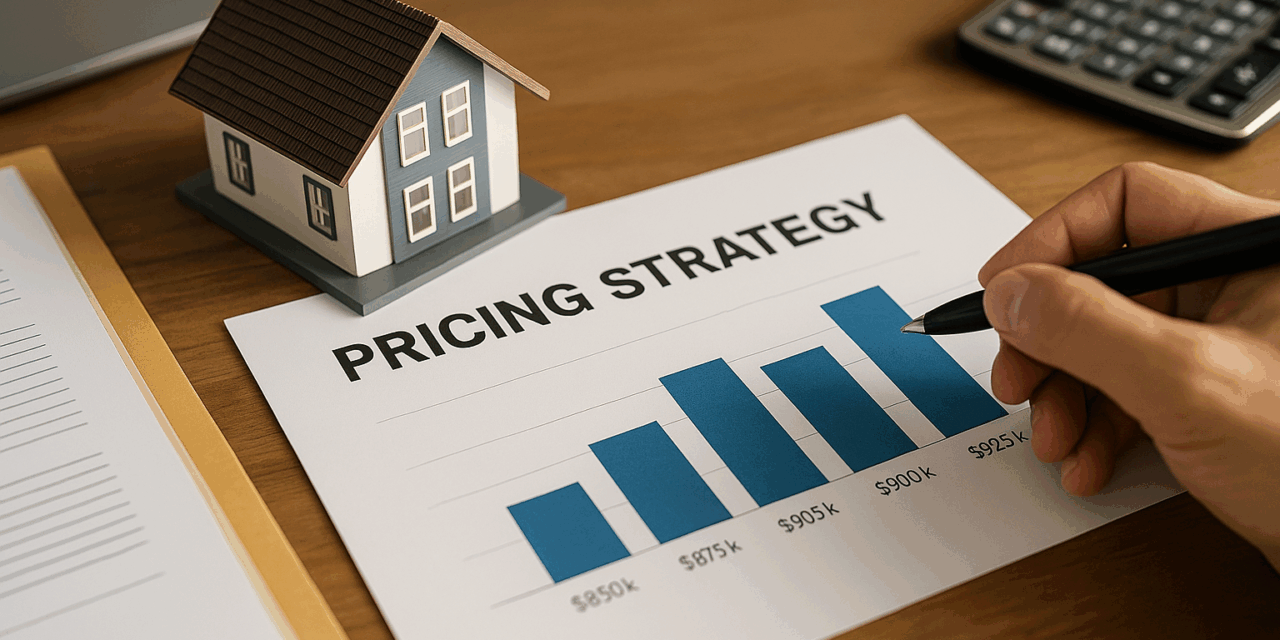
Pricing your home correctly is both an art and a science. In my years serving the Los Angeles market, I’ve seen properly priced homes sell quickly with multiple offers, while overpriced properties sit stagnant despite being beautiful. Understanding pricing psychology and market dynamics is crucial for maximizing your return.
The Foundation: Accurate Market Analysis
Comparative Market Analysis (CMA) A thorough CMA examines recently sold properties similar to yours in size, condition, and location. In LA’s diverse market, this means understanding micro-neighborhoods – a property in West Hollywood near the Sunset Strip commands different pricing than one near residential areas.
Active Competition Analysis Understanding what buyers can choose from today is equally important as knowing what sold months ago. We analyze current listings to ensure your pricing positions you competitively against immediate alternatives.
Market Condition Assessment Your pricing strategy should reflect current market conditions. In seller’s markets, you might price slightly above recent sales expecting multiple offers. In buyer’s markets, competitive pricing from the start is essential.
Pricing Psychology That Works
The Power of Perception Buyers often search in price ranges, so a home priced at $1,995,000 captures both the under-$2M and $2M+ search categories. Strategic pricing maximizes your exposure to potential buyers.
Avoiding Price Resistance Points Certain price points create psychological resistance. Understanding these thresholds in your market segment helps position your property for maximum appeal.
Multiple Offer Strategy In competitive markets, pricing slightly below market value can generate multiple offers, often resulting in sale prices above asking. This strategy requires careful market timing and execution.
Common Pricing Mistakes
Emotional Pricing Pricing based on what you need or want rather than market reality leads to extended market time and ultimately lower sale prices. The market determines value, not your personal circumstances.
Chasing the Market Down Starting too high and reducing price incrementally signals desperation to buyers. Properties that undergo multiple price reductions often sell for less than if they’d been priced correctly initially.
Ignoring Market Feedback If your property isn’t generating showings or offers, the market is telling you something. Ignoring this feedback and maintaining unrealistic pricing hurts your ultimate outcome.
Pricing in Different Market Conditions
Seller’s Market Pricing When demand exceeds supply, you can price at or slightly above recent sales, expecting competition among buyers. However, overpricing even in hot markets can cause your property to be overlooked.
Buyer’s Market Pricing When supply exceeds demand, competitive pricing becomes critical. Properties priced at market value sell while overpriced homes sit. In these conditions, being realistic from the start is essential.
Balanced Market Pricing In balanced conditions, accurate pricing based on recent sales and current competition typically results in sales within 30-45 days at or near asking price.
Special Considerations for LA Markets
Luxury Market Dynamics High-end properties in areas like Beverly Hills, Bel Air, or Malibu operate differently than mainstream markets. Buyers at this level often prioritize uniqueness over price, but accurate pricing remains important.
Condo vs. Single-Family Pricing Condominiums and single-family homes have different pricing dynamics. Condos compete more directly with each other, while single-family homes have more unique characteristics that can justify price premiums.
Seasonal Pricing Adjustments While LA’s climate reduces seasonal variation, buyer activity does fluctuate. Understanding these patterns helps optimize your pricing timing.
Working with Market Data
Price Per Square Foot Analysis While not the only factor, price per square foot provides useful comparison data. However, factors like lot size, condition, and location can justify significant variations.
Days on Market Impact Properties that sell quickly often achieve higher prices than those that linger. Fresh listings generate more excitement and urgency among buyers.
Absorption Rate Considerations Understanding how quickly similar properties are selling helps gauge market demand and appropriate pricing strategies.
Your Pricing Success Strategy
Start with Professional Analysis Work with an experienced agent who understands your local market and can provide comprehensive pricing analysis based on current conditions.
Be Realistic About Market Value Accept that market value is determined by what buyers will pay, not what you hope to receive. Realistic expectations lead to better outcomes.
Stay Flexible Be prepared to adjust strategy based on market feedback. If your initial pricing doesn’t generate expected response, reassess and adjust quickly.
Monitor Market Response Track showing activity, buyer feedback, and market conditions. This information helps you make informed decisions about pricing adjustments if needed.
Next time, we’ll explore marketing strategies that ensure your properly priced home reaches the right buyers and generates maximum interest.


Recent Comments